
Can’t Miss Mysa Hus Curious Builder Podcast Episodes
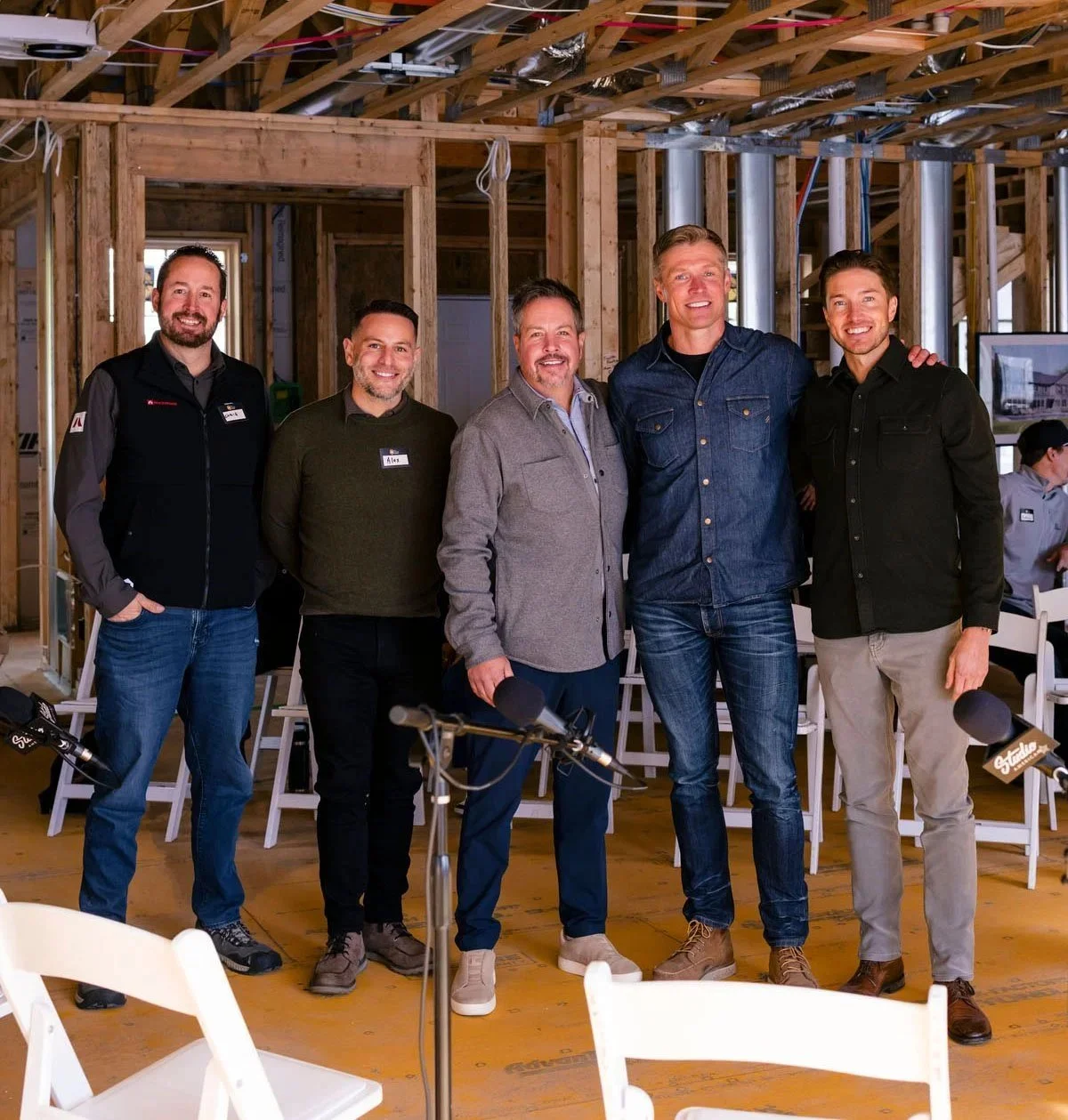
Table of Contents
If you've followed Mysa Hus from the beginning, you know it was never just about building another beautiful house. Mysa Hus became an experiment in what happens when you give a builder, designer, architect, tradespeople, and brand partners permission to ask bigger questions.
Can a house actually change the way you feel? Can good design encourage you to slow down? What happens when wellness becomes a filter for decisions about everything from insulation and windows to lighting, water, acoustics, and even where you put the gym? And what does it really take behind the scenes to pull off a project this ambitious?
Over the course of the Mysa Hus build, we unpacked a lot of those questions on The Curious Builder Podcast. Some episodes happened while we were still dreaming. Others were recorded while the house was under construction. And a few captured the absolute chaos of getting it across the finish line. If you want the full Mysa Hus story, these are the Curious Builder episodes I'd start with.
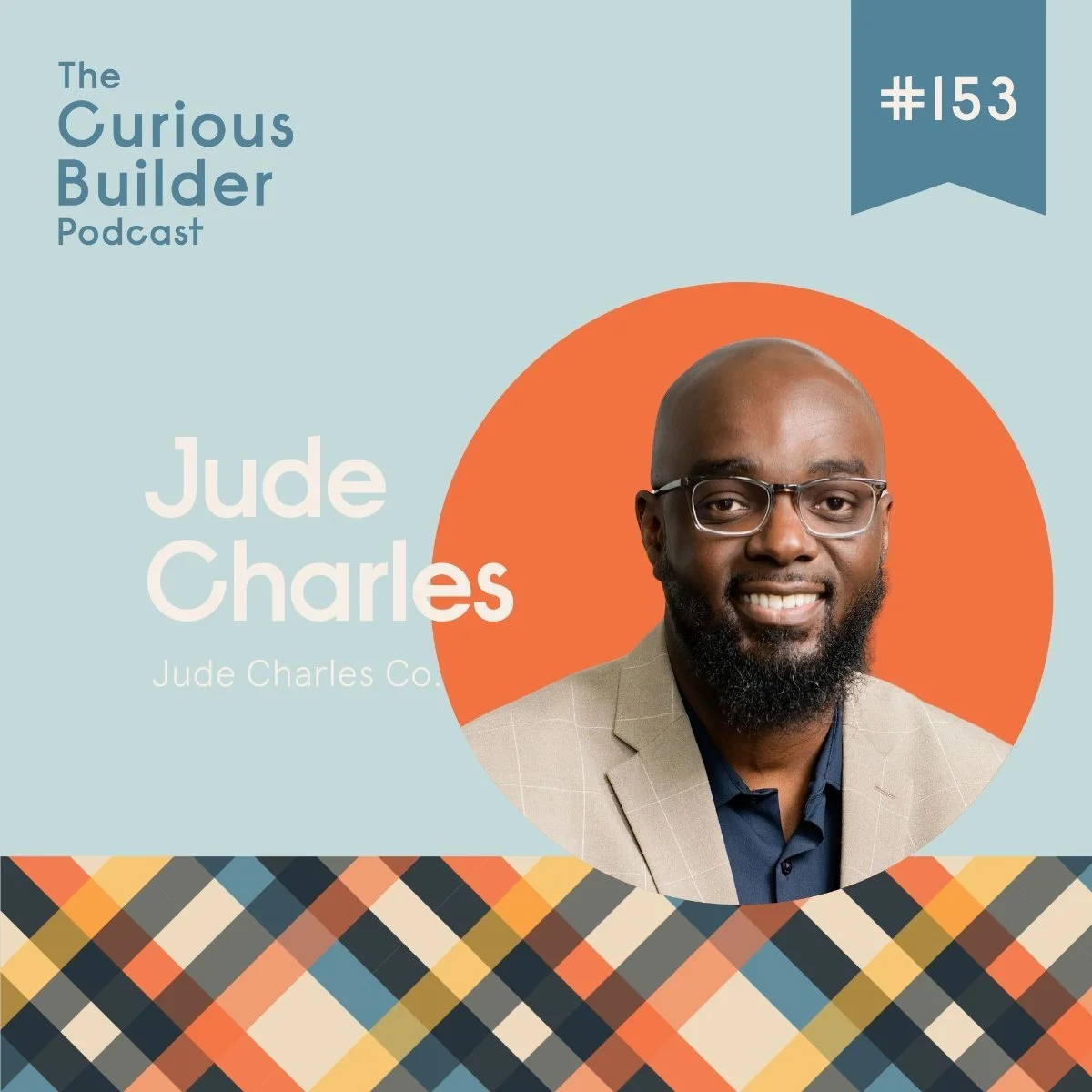
Episode 153 with Jude Charles: Start With the Why
If you're only going to listen to one Mysa Hus episode, I'd probably make it this one. Director and filmmaker Jude Charles came to Minnesota from Atlanta and did what he does incredibly well: he kept pushing me past the tactical answers and into the deeper reason I was building this house.
Mysa Hus started after two potential client projects on the same property fell through over about 18 months. Eventually, I decided to do something I hadn't done since 2008 and build a custom spec home. That gave us an unusual amount of creative freedom.
But before we started drawing plans or picking finishes, I sat down with brand strategist Molly Windmiller and tried to describe what I wanted the house to feel like. The picture in my head was a cold Minnesota winter day. Snow is falling outside. You're sitting in a comfortable chair with a novel, hot cocoa, and a warm blanket. Could we build a house that actually created that feeling?
That's where the name came from. "Mysa" is a Swedish word associated with coziness, and that feeling eventually became the filter for the entire project. My conversation with Jude helped me realize how personal that idea really was. Mysa Hus was connected to my Scandinavian heritage, my own desire to slow down, and something I believe deeply about homes: people may not remember every material or detail you selected, but they will remember how the space made them feel. Mysa Hus became my attempt to build that feeling on purpose.
Listen to Episode 153 if: you want to understand the emotional soul of Mysa Hus and why we built it in the first place.
Episodes 141 and 144: Building the Architectural DNA
Once we understood the feeling, we had to figure out how to turn it into architecture. That took a team. The core design "tripod" became me as the builder, architectural designer Karl Adalbert, and Melissa Oholendt of Oho Interiors. And I knew pretty quickly that Melissa needed real authority.
Karl and I could have easily taken the house in a very masculine, ultra-modern direction. I famously gave Melissa a five-to-one veto power over me. If I started choosing something that went against the larger vision, she had permission to shut it down. That collaboration became a huge part of what made Mysa Hus work.
One of Melissa's goals was to create what I think of as "living art." The architecture shouldn't need furniture, accessories, and styling to become interesting. The proportions, materials, textures, light, and construction details should make a room feel complete even when it's empty.
Restraint became equally important. We didn't want to build an enormous house just because we could. The main footprint is roughly 3,000 square feet, allowing us to create spaces that feel intimate and protective instead of cavernous.
Karl also paid close attention to the Cottagewood site itself. The long rectangular property allowed us to orient the back of the house south, bringing natural light into spaces like the sunroom, kitchen nook, and pool area. Those decisions don't scream for your attention when you walk through the door, but you feel them.
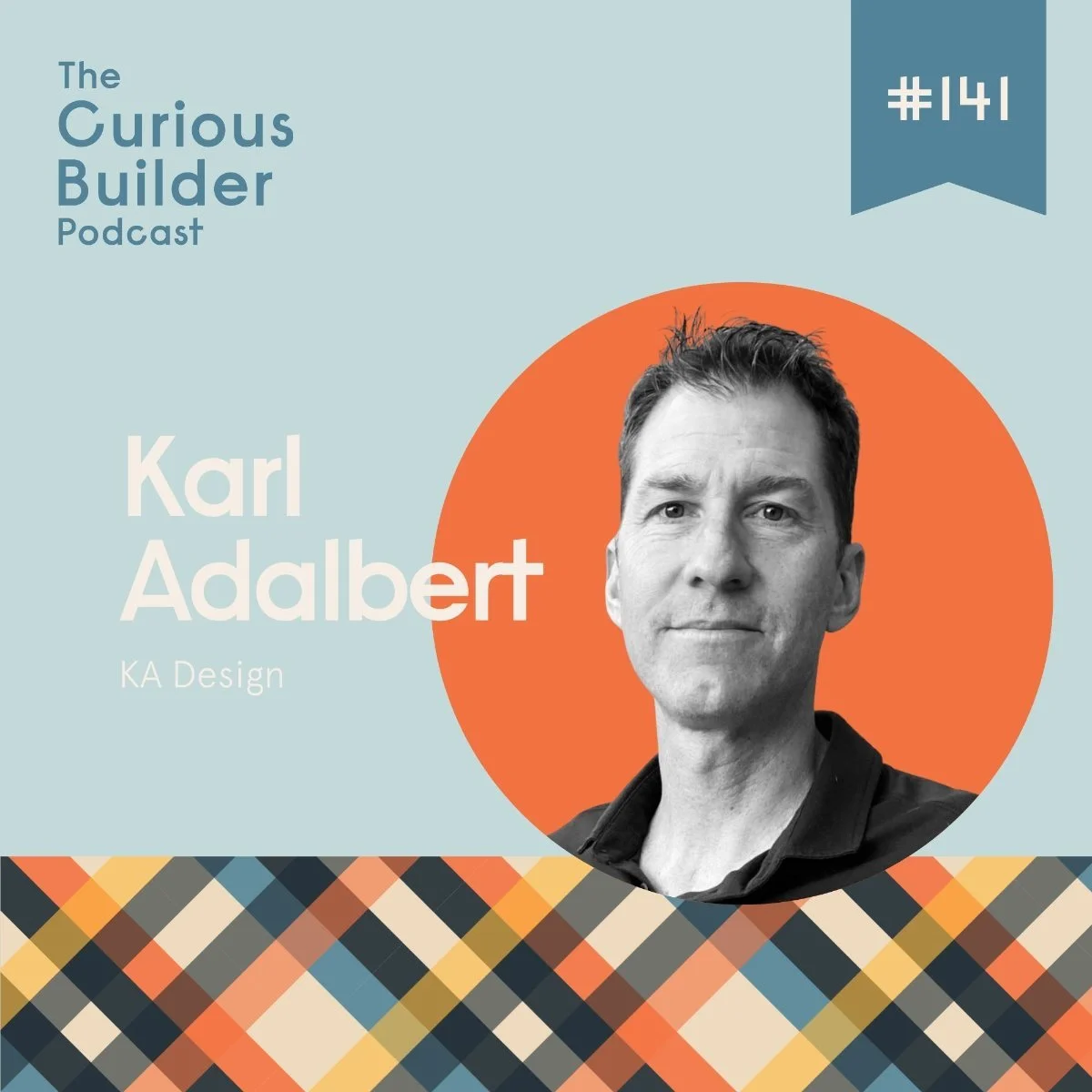
Listen to Episode 141 with Karl Adalbert and Episode 144 with Drew Beson if: you love architecture, site planning, building science, and hearing how an idea evolves into an actual house.
The Wellness Episodes: When Mysa Hus Really Changed
About four months into developing Mysa Hus, we landed on the idea that ultimately transformed the project: Wellness. It became the filter. And once we started asking what a house designed around wellness could look like, we realized wellness was much bigger than adding a sauna or specifying a healthy material. It could mean cleaner air and better water, natural light, removing unnecessary chemicals from materials, quiet.
I became a little obsessed with that last one. We wanted Mysa Hus to feel almost like an acoustic vacuum compared to the outside world. So, we incorporated triple-pane Pella windows, Rockwool insulation throughout interior and exterior walls, a thin rubber layer beneath the hardwood floors, and specialty sound-dampening drywall.
During construction, Drew Beson described moving into the primary suite and immediately noticing how quiet it became. That quiet changed the emotional experience of the room. That's wellness, too.
We carried the same thinking into water, air quality, materials, and lighting. The home incorporates natural materials like Belgian white oak flooring finished with linseed oil, whole-home water treatment from Pentair, and carefully considered lighting solutions. Not all of those choices were straightforward, either.
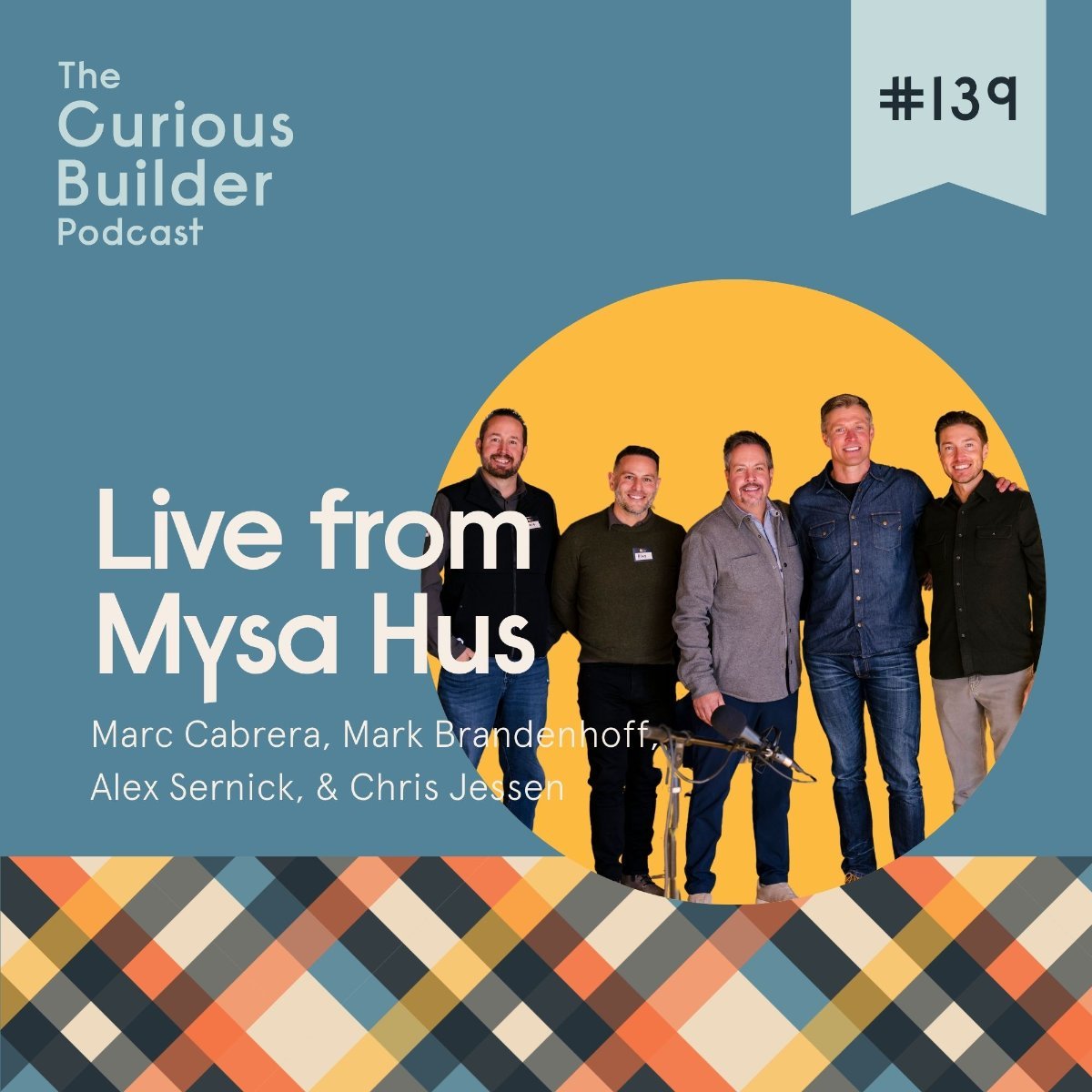
Key Episodes: Wellness & Lighting (with Kristin Reinitz), Ep #139 (Live Partners), Ep #141 & Ep #144
The Partners Behind the Walls
Mysa Hus also gave us the opportunity to work alongside more than 35 incredible brand partners, including Pella Windows, Huber and ZIP System, Rockwool, DaVinci Roofscapes, House of Rohl, Pentair, Toto, and many others.
Episode 139 pulls back the curtain on some of those partnerships and the products and systems behind the finished house. For me, though, the bigger story is what happens when manufacturers, trades, designers, and builders actually collaborate.
We wanted Mysa Hus to be transparent. We wanted people to see what was behind the walls and understand why we made certain decisions. That's part of what The Curious Builder has always been about. There are a million incredibly smart people in this industry. We get better when we're willing to share what we know.
Listen to Episode 139 Ep #144 if: you want to geek out on the products, materials, and building systems that helped turn the Mysa Hus wellness philosophy into something tangible.

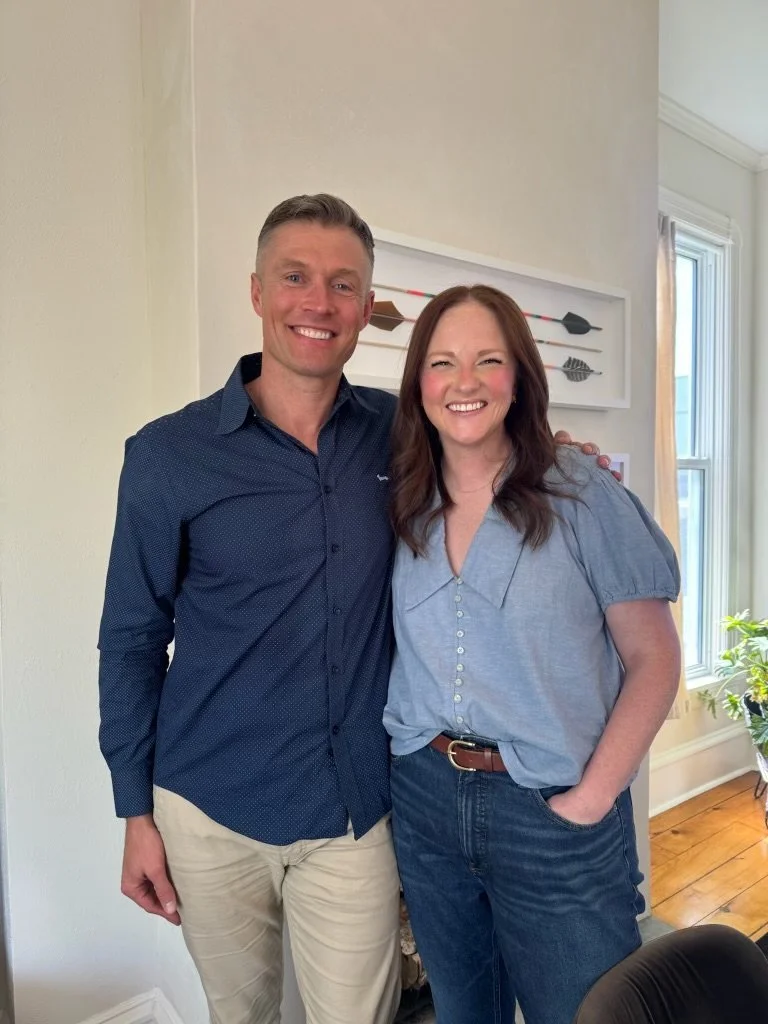
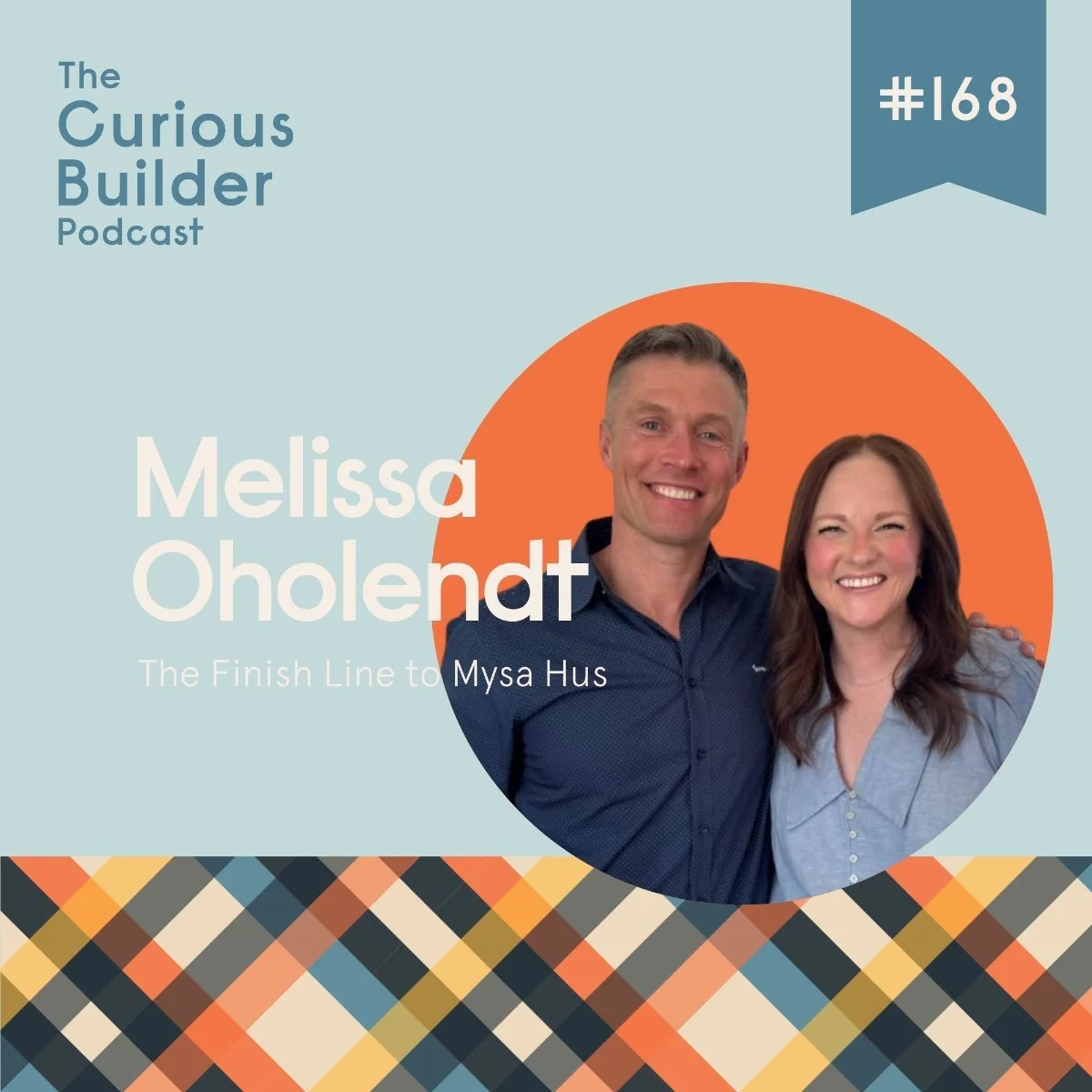
Episode 168 with Melissa Oholendt: What It Actually Takes to Finish a House Like This
Then there's Episode 168. If the earlier episodes show you the vision, this one shows you reality. We recorded it five days before the Artisan Home Tour while three separate photography crews were working inside the house. Things were... calm. Just kidding.
A $25,000 custom sectional showed up in the wrong size during a two-day furniture installation sprint with about ten people on site. Fourteen custom light fixtures got stuck in UK customs two weeks before launch, so Melissa did what any completely rational person would do under that kind of pressure: she found the lighting company's CEO on LinkedIn and messaged him. And he called her. He helped get the fixtures moving. Then, because construction has a sense of humor, two of them were accidentally thrown away during the chaos of installation. You can't make this stuff up.
That's what I love about Episode 168. You get to hear the messy side of building something people eventually experience as polished and effortless.
Burn the Fireplace
Another moment from the final stretch has stuck with me. Everything was finally clean. The house was being photographed. The fireplace surround looked perfect. Then photographer Patrick Biller wanted a real fire. We lit it, and naturally, the pristine fireplace developed some soot and patina.
And you know what? It looked better. That became another little Mysa Hus philosophy for us. Burn the candles. Use the china. Light the fireplace. A home shouldn't remain pristine at the expense of being lived in. We're not building museums. We're building places for human beings to make memories.
Where Should You Start?
If you don't have time to listen to every Mysa Hus episode, here's my recommendation.
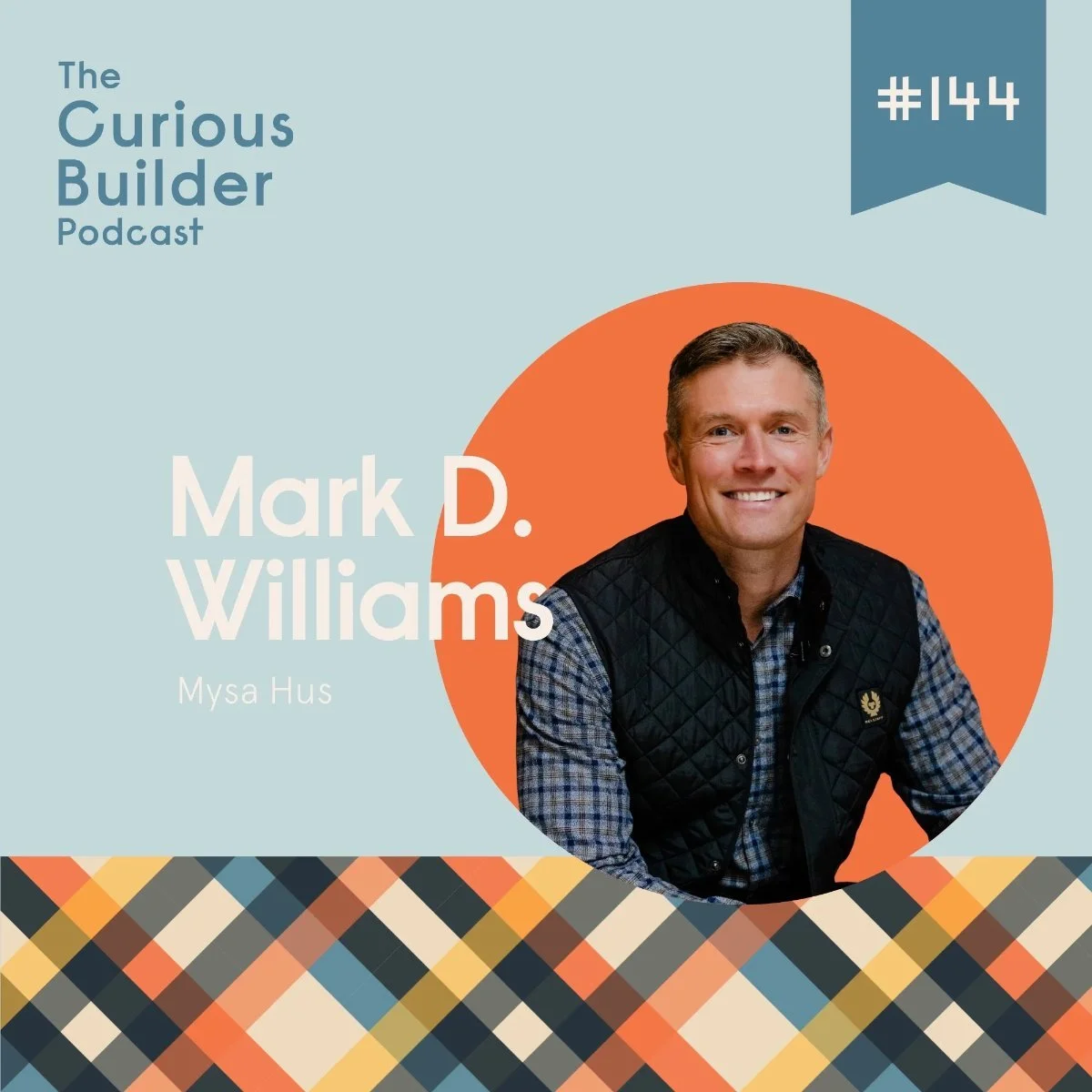
For the emotional story and mindset behind the project, start with Episode 153 with Jude Charles. For architecture, building science, and some hilarious behind-the-scenes stories, listen to Episode 144 with Drew Beson. And for the raw reality of getting an ambitious custom home across the finish line, go with Episode 168 with Melissa Oholendt.
But if you want the full story, make it a binge. Start with Episode 153 for the emotional why. Move into Episodes 141 and 144 for architecture, site planning, design, and building science. Add Episode 139 and our lighting conversation with Kristin Reinitz to dive deeper into the systems and partners. Then finish with Episode 168 to experience the final countdown.
What Mysa Hus Taught Me
I've spent a lot of time talking about Mysa Hus over the past couple of years. We've talked about the products. The partners. The design. The architecture. The wellness center. The mistakes. The things that worked and the things that nearly drove us crazy.
But I think the biggest lesson is simpler. Homes have the ability to affect how we feel. When builders, designers, architects, manufacturers, and tradespeople stop protecting their individual lanes and start getting curious together, we can create something much more interesting than a beautiful house.
We can create a place that changes the way somebody experiences everyday life. A quieter bedroom. Morning sunlight at the breakfast table. A real fire on a freezing Minnesota night. A workout surrounded by natural light instead of concrete basement walls. A home that gives you permission to slow down when everything outside of it is telling you to speed up.
That's what we were chasing with Mysa Hus. And if you want to hear how we got there: the good decisions, ridiculous stories, big ideas, mistakes, and everything in between, these episodes of The Curious Builder Podcast are probably the best place to start.